

A cryptocurrency savings account allows you to deposit your digital assets, such as Bitcoin or stablecoins, on a platform that offers returns for keeping them there.
These accounts work in a similar way to traditional savings accounts, but with cryptocurrency. Some platforms, such as Bit Panda, facilitate the creation of automated savings plans, allowing you to invest consistently and take advantage of strategies such as “Average Costs” in Dollars (DCA) to mitigate market volatility.
What is cryptocurrency and what is it for?
Cryptocurrencies they are digital assets that operate in decentralized networks, without the need for intermediaries such as banks or governments. They use blockchain technology to ensure the security of transactions and control the issuance of new assets.
Its growth has driven multiple uses, including:
- Medium of exchange: They facilitate fast, global payments with lower operating costs.
- Value store: Assets such as Bitcoin are considered by many to be a digital alternative to gold.
- Access to financial services: In regions with limited banking infrastructure, cryptocurrencies allow for efficient safeguarding and transfer of value.
- Participation in the digital ecosystem: They are used in decentralized platforms, DeFi applications, and emerging digital economies.
- Protection against inflation: In highly devalued economies, stablecoins represent a stable alternative to preserve purchasing power.
Despite their advantages, it's important to consider risks, such as market volatility and constantly evolving regulation. Before investing or using cryptocurrencies, it is essential to understand how they work and evaluate their impact on the financial landscape.
How do cryptocurrencies gain value?
The value of a cryptocurrency depends on multiple factors that influence its supply and demand. Unlike traditional currencies, it is not controlled by a central bank, but rather by market dynamics and their usefulness in the digital ecosystem.
- Supply and demand: When demand exceeds supply, the price of a cryptocurrency tends to rise. Many investors seek to buy when the price is low and sell when it rises to make a profit.
- Utility and applications: Cryptocurrencies with real or innovative use cases often increase in value. For example, stablecoins can generate returns through loans, savings, stacking and yield farming, maximizing profits with lower risk.
- Trust and adoption: As more people and companies use a cryptocurrency, its value tends to increase. Stacking, for example, encourages adoption by allowing users to generate passive income.
- Technological innovation: Improvements in blockchain technology or the addition of new features may attract more users and investors. Methods such as yield farming, which rewards those who lock their tokens on platforms, generate additional investment incentives.
- Regulation and legal environment: A favorable regulatory framework can increase the trust and value of a cryptocurrency. Instead, restrictions or prohibitions can slow down their adoption and affect their price.
- Scarcity and supply control: Some cryptocurrencies have a limited supply or apply mechanisms such as the burning of tokens, reducing their circulation. This scarcity can boost its value, following principles similar to gold or other limited assets.
The crypto market is dynamic and constantly evolving. Understanding these factors is key to making informed decisions and taking advantage of the opportunities they offer.
What are the risks of cryptocurrencies?
Cryptocurrencies offer great opportunities, but they also come with risks that users should be aware of. Here are some of the most important:
- Extreme volatility: Cryptocurrency prices can change dramatically in a short time due to speculation, market news, or regulatory changes, which can result in significant losses.
- Fraud and scams: The crypto ecosystem is a frequent target of sophisticated scams, such as the “Pig Butchering”, which caused losses of $3.6 billion in 2024.
- Regulatory challenges: The lack of clear regulation in many countries can lead to uncertainty and unforeseen restrictions. In addition, pseudonymous transactions complicate compliance with anti-money laundering (AML) and identification (KYC) regulations.
- Security risks: Crypto platforms can be vulnerable to cyberattacks. Recently, several applications were compromised due to flaws in third-party libraries, demonstrating the importance of security in this sector.
- Operational risks: Technical failures and hacks can affect user trust and cause financial losses.
- Pre-sales risks: Although pre-sales can represent attractive investment opportunities, they can also be highly risky due to the lack of transparency in some projects.
While the crypto world has great potential, it is essential to be informed, to apply security measures and to act with caution to minimize risks.
What is a cryptocurrency savings account?
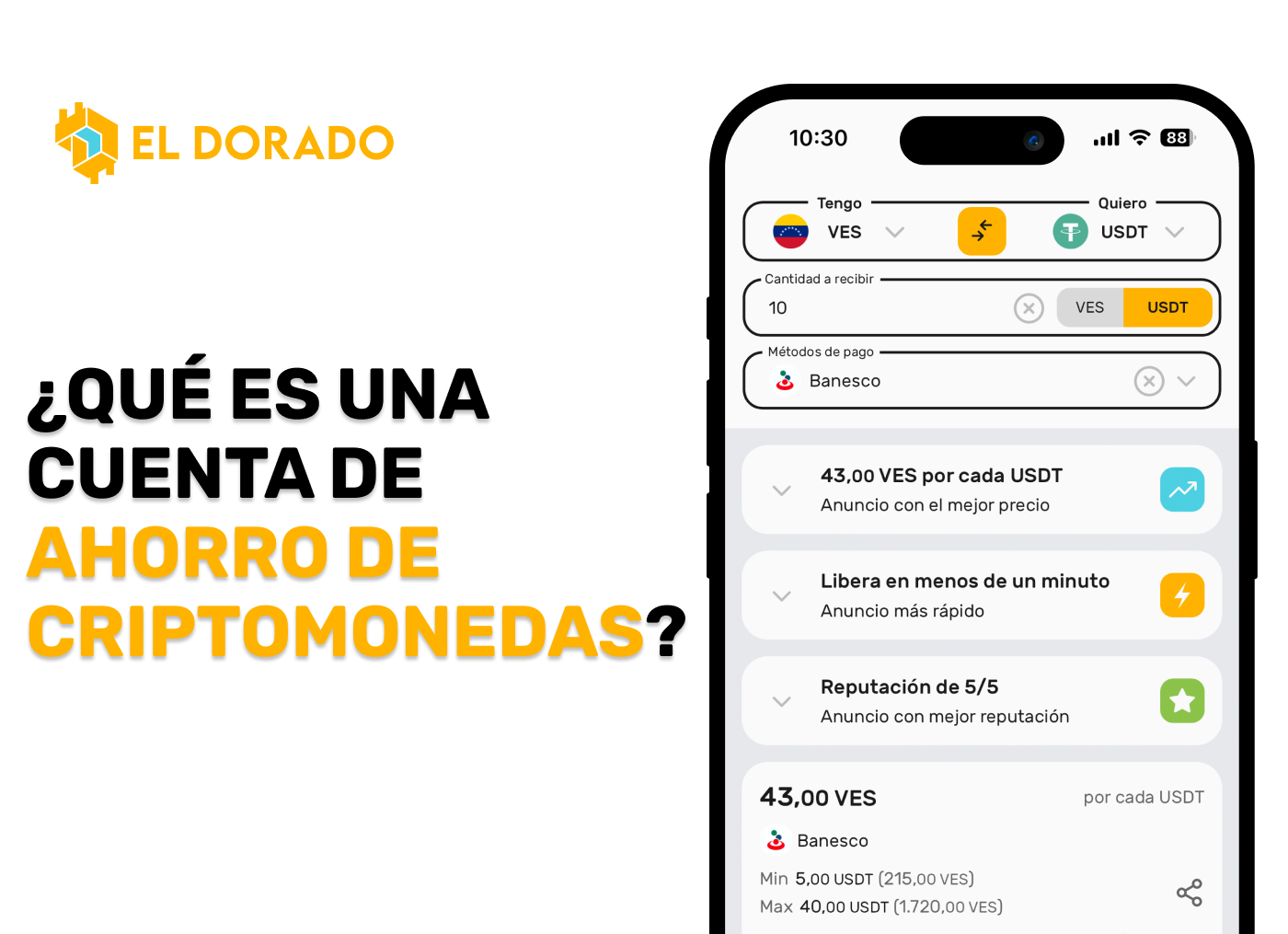
A cryptocurrency savings account is a financial service that allows users to deposit their digital assets, such as Bitcoin or stablecoins, on a specific platform to generate returns over time.
These accounts work in a similar way to traditional savings accounts, but instead of using fiat currencies, they use cryptocurrency.
How to deposit money into a Bitcoin account?
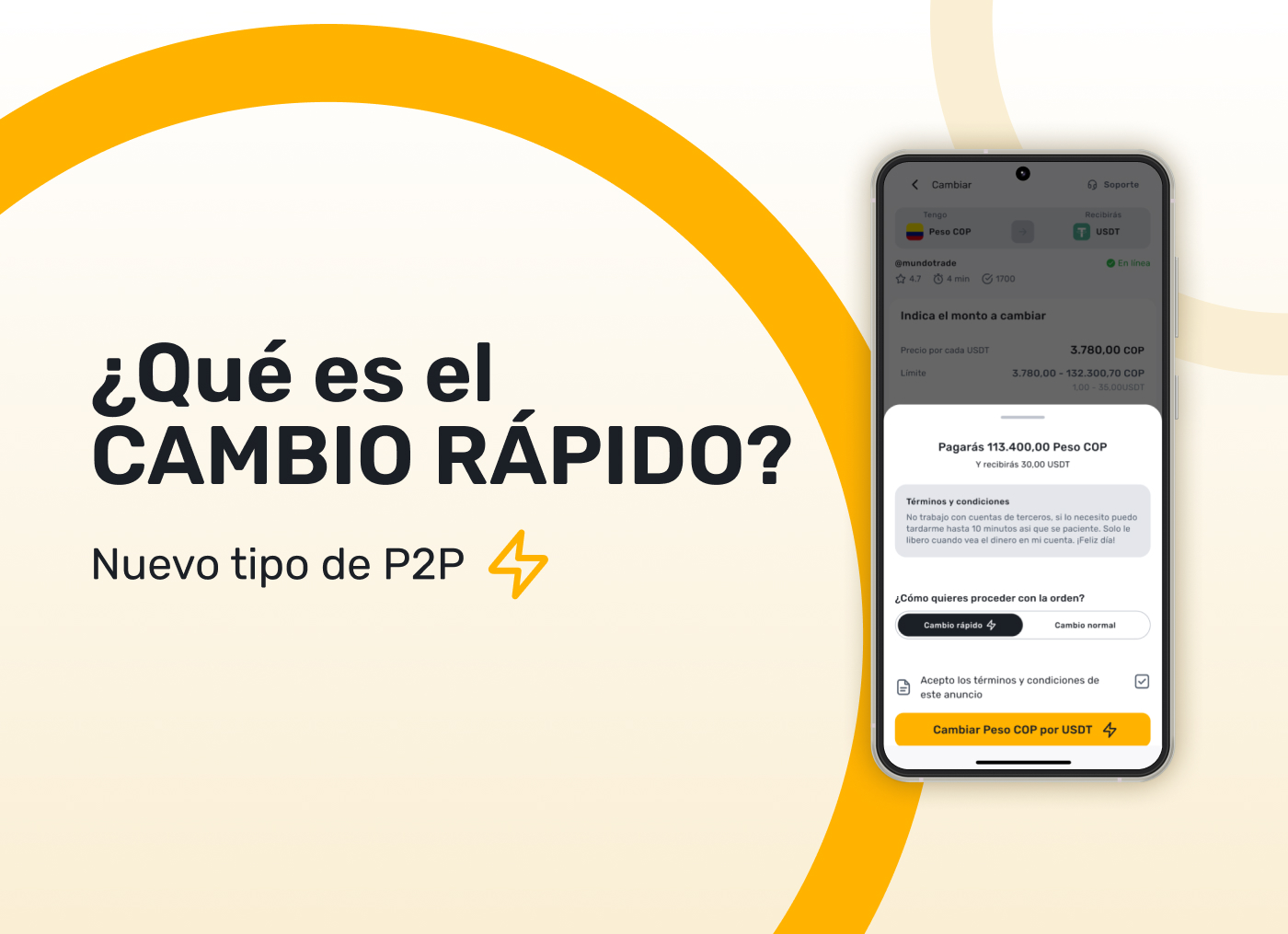
Depositing money in Bitcoin is easier than it seems. Basically, it's about converting your local currency into crypto and storing it in a secure wallet. With El Dorado P2P, you can do it quickly and without complications by following these steps:
- Choose a secure platform: El Dorado P2P is ideal for buying and selling USDT with multiple payment methods in countries such as Argentina, Brazil, Colombia, Panama, Peru and Venezuela.
- Sign up and verify your identity: Create your account, set a strong password and complete KYC verification for added security.
- Deposit funds: Use methods like Zelle, PayPal, or Zinli to buy USDT and then convert it into Bitcoin.
- Buy Bitcoin: Choose the desired amount and review the terms of the transaction before confirming the purchase.
- Transfer to your wallet: For added security, store your BTC in a personal digital wallet with protected private keys.
Security Tip: Be wary of offers that promise guaranteed profits and activate two-step authentication (2FA). Trading with El Dorado P2P allows you to move in the crypto world with confidence and security.
How to withdraw crypto to a bank account?
Withdrawing cryptocurrency to a bank account using El Dorado P2P is a simple and safe process. Below, we explain the key steps to perform this operation efficiently.
- Registration and verification in El Dorado P2P
- Create an El Dorado P2P account by providing your email address and setting a secure password.
- Complete the identity verification (KYC) process to access all the features of the platform and ensure the security of your transactions.
- Converting cryptocurrency to local currency
- Log in to El Dorado P2P and access the “Change” section.
- Select the cryptocurrency you want to exchange (for example, USDT) and the local currency you prefer to receive, for example, Venezuelan bolivars.
- Enter the amount of cryptocurrency to convert or the amount in local currency you want to receive.
- Choose an available payment method to receive the funds in your bank account.
- Review the terms of the transaction and accept the conditions of the selected merchant.
- Receiving funds to your bank account
- Once the conversion is complete, the merchant will make a bank transfer to the account you provided.
- Verify that your bank account details are correct and that the account holder matches the information provided in El Dorado P2P.
- Important Considerations
- El Dorado P2P acts as an intermediary between users for the purchase and sale of USDT, but it does not guarantee the stability of the value of assets or offer fixed returns.
- Cryptocurrencies are volatile, so their values can fluctuate before a transaction is completed.
- Always make sure to trade with reputable traders within the platform for added security.
Using El Dorado P2P, you can withdraw your USDT through the Tron or Arbitrum network and transfer the funds to your bank account quickly, safely and reliably.
How to lend bitcoin to make money?
Lending Bitcoin is a smart way to generate passive income in the crypto ecosystem. Although El Dorado P2P doesn't directly offer Bitcoin loans, there are specialized platforms where you can lend your BTC and receive interest in return.
How does it work?
- Choose a reliable platform: Research secure options like Nexo and Ledn.
- Sign up and verify your account: Complete the registration and identity verification process.
- Deposit your Bitcoin: Transfer your BTC to the lending platform.
- Configure the terms: Define the amount, interest rate and duration of the loan.
- Receive your earnings: At the end of the loan, withdraw your principal along with the interest generated.
If you prefer a more flexible strategy, in El Dorado P2P you can buy and sell USDT with profit margins, maximizing your income through peer-to-peer trading.
What is simple earning in cryptocurrency?
Simple earning in cryptocurrency refers to generating passive income without the need to actively operate in the market. This can be achieved through stacking, yield farming or crypto savings accounts, where users deposit their assets and receive periodic rewards.
What is winning with a single click?
Earning with a single click refers to crypto financial products that automate the generation of returns. Platforms such as El Dorado P2P facilitate hassle-free access to American treasury bonds, allowing users to generate passive profits, with just a few steps.
What happens once you commit your crypto assets to a fixed term in the Earn Interest Product?
By locking your crypto assets in an Earn Interest product, they generate interest for the agreed period. The platform will pay you returns at the established rate, and at the end of the term, you will receive your initial capital plus accrued interest.
How to declare cryptocurrency interest income?
If you generate passive income with cryptocurrency through interest, stacking or loans, it's important to know how to declare it. In many countries, these returns are considered taxable profits and must be reported to tax authorities.
Some platforms offer annual reports to simplify the process, but if you operate on several, the ideal is to keep a detailed record of your transactions.
To avoid problems, review local regulations and, if necessary, consult with a crypto taxation specialist. Stay informed and ensure smooth regulatory compliance.