

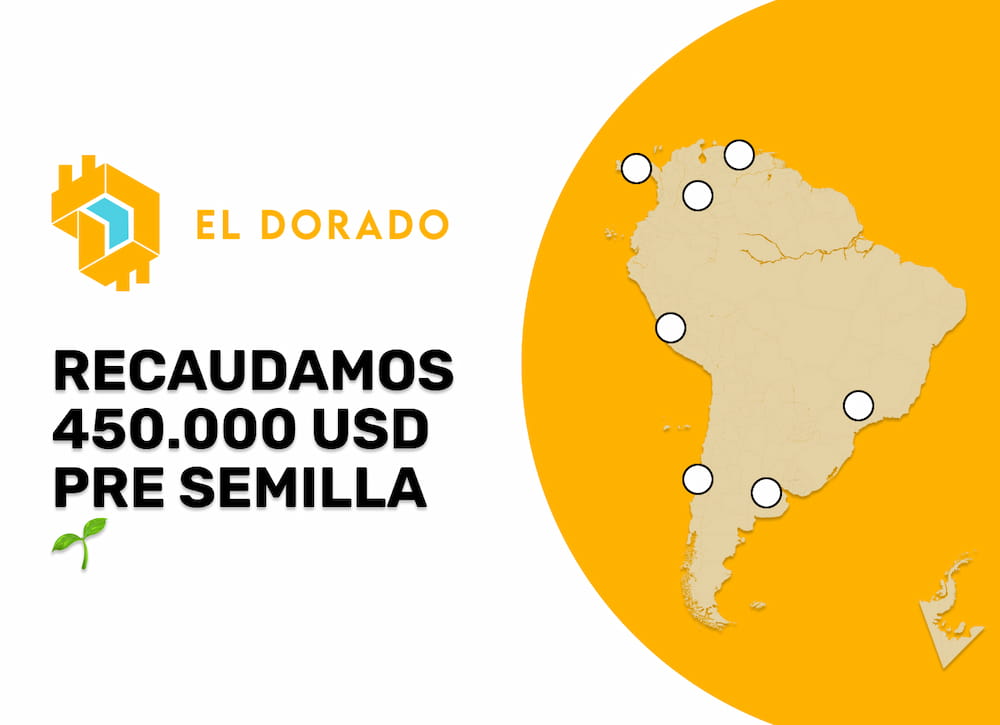
El Dorado P2P, a peer to peer platform for buying stablecoins in Latin America, has finalized its pre-seed round of $450,000 through the startup accelerator Berkeley Skydeck, from the University of California at Berkeley. The funds will be used to continue expanding its P2P services in the region and opening its peer to peer market to other companies through an API and an easy-to-integrate widget.
To date, El Dorado has managed to raise $450,000 in funding and adds Berkeley Skydeck to its list of major investors along with Flori Ventures, Startup Istanbul, Auston Bunsen - Co-founder of Quicknode, and other angel investors. In this way, the Latin American startup is now among the few in the region to have been accepted for the Berkeley Skydeck program.
By opening its peer to peer marketplace, El Dorado will allow other crypto wallets, Fintechs, Exchanges, web3 protocols, and others to connect to its more than 50 local payment methods. El Dorado plans to enable this new product for P2P this year as it prepares to raise its seed round in September.
Guillermo Goncalvez, CEO and Co-founder of Eldorado.io, do you think “P2P crypto markets meet the financial needs of Latin Americans, a type of consumer who today uses multiple platforms to save and make payments, but who require a simple way to deposit or withdraw funds between them all.”
The business model used by most centralized exchanges makes it difficult for them to navigate the crypto markets in the region, since they require an account for each jurisdiction and payment method to accept currencies from the region. In this context, the P2P modality benefits and manages to offer crypto users in emerging markets an ideal solution.
The departure of LocalBitcoins, the former largest P2P Bitcoin marketplace in the world, has left more than 8 million customers affected and unserved.
“We are pleased to have raised our pre-seed round with one of the leading accelerators for startups in North America. This round will allow us to open our peer to peer market to other financial service providers and export it to Brazil, Peru and other markets this year.”