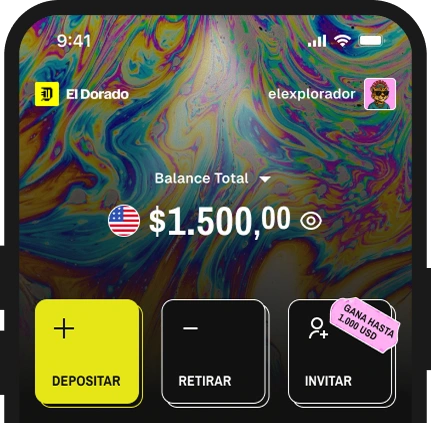


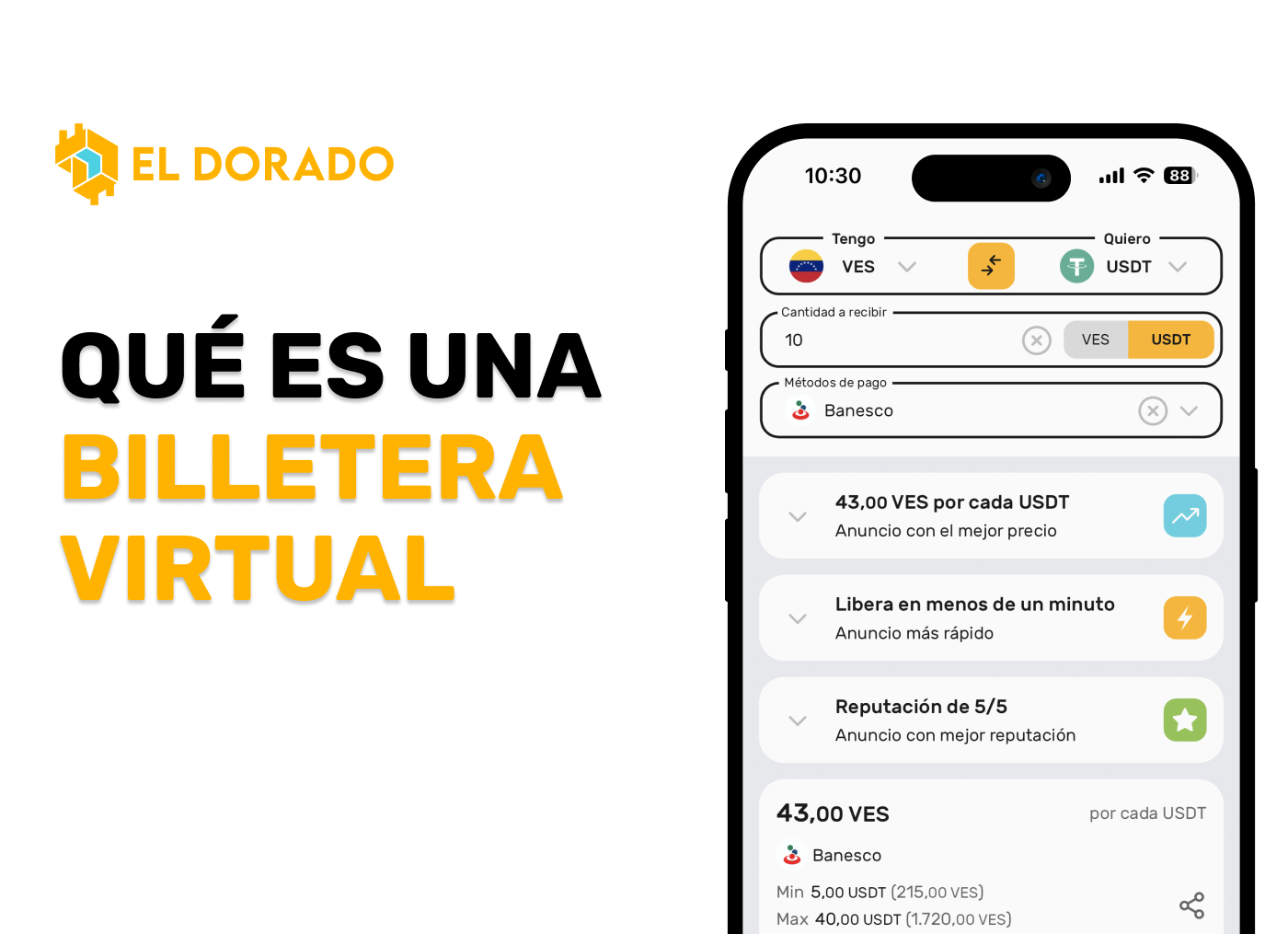
Virtual or digital wallets are financial applications that allow you to store funds, carry out transactions and track payment histories on devices such as phones and tablets.
They are designed to take advantage of the capabilities of mobile devices to improve access to financial products and services. They basically eliminate the need to carry a physical wallet by storing all consumer payment information securely and compactly.
Virtual wallets work with different technologies to process payments:
- QR codes: these are barcodes that you can scan with your smartphone's camera.
- Near Field Communication or NFC: Allows two devices to exchange information if they are placed close to each other. To use one of these digital wallets, the merchant must have compatible card readers in the box.
- Secure Magnetic Transmission (MST): generates a magnetic signal, similar to when you swipe the magnetic stripe of a credit card. The signal is transmitted to the card reader of the payment terminal. This technology is primarily intended for Samsung mobile phone users.
What is a virtual wallet?
It's a software system or an application that runs on any linked device. It stores payment information and passwords for numerous websites. Digital wallets work primarily on mobile devices, but they can be accessed from a computer.
Digital wallets allow you to pay via your phone, all of this in order to optimize transaction processes, saving you time and without having to carry a card with you.
As a user, you enter and store the details of your credit card, debit card or bank account and then you can use your device to carry out your movements.
Virtual wallets can also store:
- Gift cards.
- Membership cards.
- Loyalty cards.
- Vouchers.
- Event tickets.
- Air and public transport tickets.
- Hotel reservations.
- Identity documents.
- Cryptocurrencies.
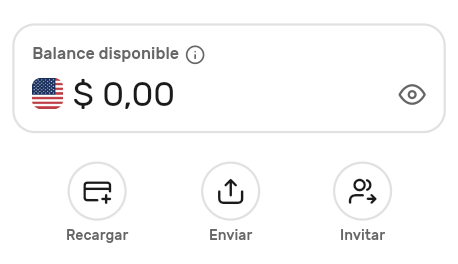
How do virtual wallets work?
Virtual wallets use the wireless capabilities of a mobile device, such as Bluetooth, Wi-Fi and magnetic signals, to transmit payment signals securely from the device to a point of sale designed to read the data and connect through these signs.
A digital wallet uses software to link the payment details of your connected bank account to the provider with which the transaction is made.
Different applications allow different types of access: open wallets (accepted at most retailers) allow online purchases or contactless payments in stores through QR codes, near field communication (NFC) and Secure Magnetic Transmission (MST).
Semi-closed and closed wallets allow certain transactions with a certain group of retailers, or only with the retailer that issued the wallet.
The card information that you have stored in your wallet and decide to use for a transaction is transmitted from your device to the point-of-sale terminal, which is connected to the payment processors.
Then, through processors, gateways, purchasers or any other third party involved in credit and debit card transactions, the movement is routed through credit card networks and banks to make a payment.
Since cryptocurrency has become part of the financial system, there are companies that offer cards that allow you to pay with cryptocurrency.
The card is usually issued by the responsible entity and is responsible for converting cryptocurrency into dollars at the current market value, which your wallet then uses to pay for your purchase.
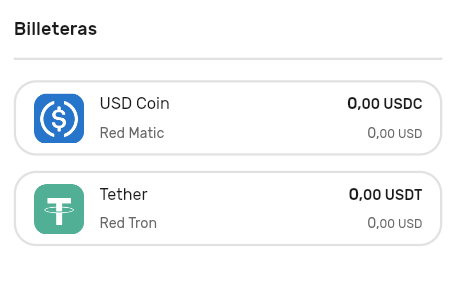
What operations can be performed with a virtual wallet?
The virtual wallet allows you to carry out a wide variety of operations related to the management of digital money and cryptocurrencies. Some of the most common operations are:
- Send and receive funds: They allow you to transfer digital money or cryptocurrency to other users anywhere in the world. Receive payments directly to your unique wallet address.
- Payment for goods and services: Use the wallet to pay in electronic and physical stores that accept digital money or cryptocurrencies.
- Buying and selling cryptocurrency: Exchange cryptocurrency for fiat money (such as dollars or another currency) or for other cryptocurrencies.
- Remittance management: Receiving and sending money to family or friends, with lower transaction costs compared to traditional methods.
- Savings and storage: Save cryptocurrency as a form of investment in the short or long term.
- Integration with P2P platforms: Participate in direct buying and selling markets between people without the need for traditional intermediaries.
- Managing multiple currencies: Store and trade multiple cryptocurrencies in a single application.
- Financial Control: Review the history of transactions, current balances and details of each operation.
- Connection to advanced financial services: Access to services such as cryptocurrency-backed loans or payment for public services in countries where it is enabled.
You can store all your financial information in a digital wallet; some even allow you to keep identification cards and driver's licenses.
Digital wallets can be included in a bank's mobile application, in payment applications such as Netflix or any other such platform.
Advantages of having a virtual wallet
- 1) A higher level of security:
Avoiding the misuse of tickets, cards and other documentation by third parties in the event of their loss. In the same way, security is increased by confirming the user's identity before using a stored resource.
- 2) Limit the exposure of financial and personal information:
Having a digital wallet adds security for your credit cards and identification.
- 3) It allows the control of expenses and revenues:
Because many wallets include a record of transactions and the use of your cards and stored resources.
- 4) Stop carrying a physical wallet and cards:
Having forms of payment and identification on your mobile device means that you can carry less, avoiding the possibility of losing those items and, in turn, faster transactions.
- 5) It can improve access to financial services:
The availability of digital wallets offers people in underserved areas more payment and commerce options, in other words, virtual wallets do not require a bank account at a bank with a physical branch.
Instead, you can deposit your funds in an exclusively online bank, giving access to financial services to unbanked or underbanked communities, allowing for wider financial inclusion.
How to choose a virtual wallet?
E-wallets are becoming popular because of their speed and simplicity. Here are some factors to consider when choosing a digital wallet for your daily payments:
- Security features and encryption protocols:
When choosing a digital wallet, you prioritize security. Providers use two-factor authentication, PIN, and encryption to protect user information. Digital wallets can be password protected.
- Compatibility with your device and regional availability:
Some digital wallets may not be compatible with all devices or may not be available in all regions. Always check if the virtual wallet you're interested in is compatible with your device and available in your region before making a decision.
- Compatibility:
Another aspect that you should always keep in mind is the number of currencies that the wallet supports. If you plan to use it internationally (for travel), this feature is crucial when choosing a wallet.
- User Interface:
You should choose a wallet that is easy for you to navigate and make transactions. Make sure you know where all the menu items are and how to make a transaction in different currencies. A clean, easy-to-use interface will make your transactions smoother and more reliable.
- Requirements for rate and service agreements:
When choosing an e-wallet, it's important to consider fee requirements and service agreements. They may charge commissions for each step of the process, including deposits, withdrawals, and conversion rates.
- Integration capabilities with other applications and services:
It's important to consider their integration capabilities with other applications and services. This is because the integration can provide a better and easier user experience since it allows you to access many services from a single platform.
- Customer Support Options:
When choosing a virtual wallet, consider their customer support services. Look for support channels such as live chat (it provides real-time support and can handle multiple customers simultaneously), email or phone and read user feedback to evaluate the provider's commitment to customer satisfaction.
What are the virtual wallets that exist today in Latin America?
In Latin America, virtual wallets are gaining popularity thanks to their ability to facilitate fast, secure and accessible transactions. Some of the most prominent wallets in the region include:
- El Dorado: An innovative alternative that stands out in Venezuela and Latin America for its ability to make international transfers, buy cryptocurrencies such as USDT and operate in the P2P market, making it a key tool for financial inclusion. You can easily exchange your currency and manage international payments to Argentina, Brazil, Colombia, Venezuela and more.
- Mercado Pago: A leader in several countries in the region such as Argentina, Mexico and Brazil, it allows you to easily make online payments, transfers and recharges your balance.
- BBVA Wallet and Santander Wallet: Developed by banks such as BBVA and Santander, they offer digital payment and collection services in countries such as Colombia, Peru and Chile.
- Yape and Plin: Widely used in Peru, these digital wallets simplify sending and receiving money between users instantly.
- Ualá: With a strong presence in Argentina and Mexico, it is known for its friendly interface and its options for managing personal finances
These platforms have transformed access to financial services and are an ideal solution for those looking for fast and convenient digital transactions.
El Dorado has an optimized and effective platform design, in addition, it is a space that works with a cryptocurrency transaction system.
Through its interface, you can access a safe and reliable space to back up your funds in an account that you can access from anywhere in the world.
In addition, it offers you an opportunity in the cryptocurrency market, you can buy, sell and save. Through the application, you can also send money to other users without worrying about commissions and instantly.
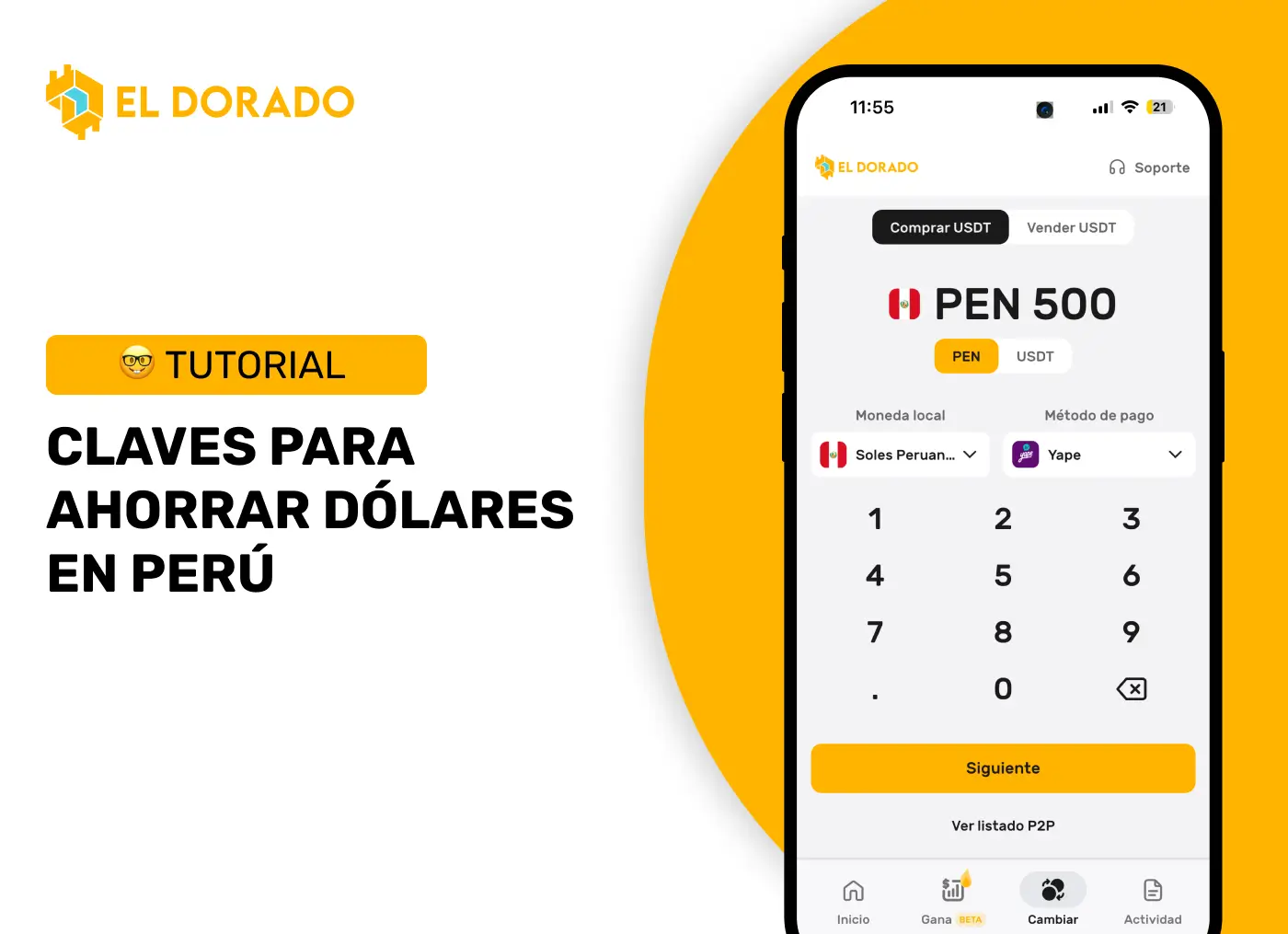
How to open a virtual wallet in El Dorado? :
Step 1: Go to eldorado.io or download the El Dorado app for Android/iOS devices.
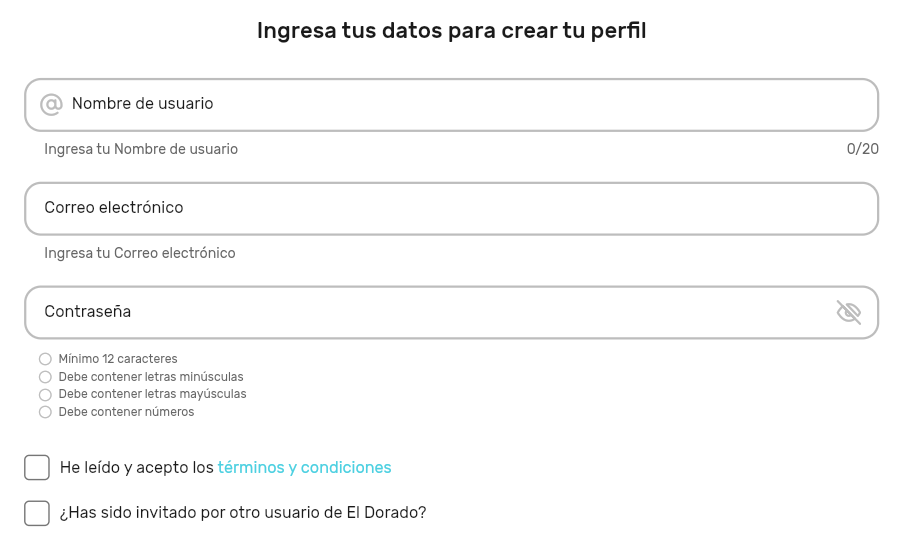
Step 2: Now you just have to add your data in the boxes that will appear on your screen.
Create a username.
Use your email.
Create your password with at least 12 characters. (As a recommendation for greater security, use an uppercase letter, a lowercase letter, a number, and symbols.)
Step 3: Check the inbox of the email you used for registration, where you will find an email from El Dorado that includes the verification code that the page will request. (Check your spam if you can't find the verification email.)
Step 4: Enter the verification code in the App and you're done! Now you can enjoy the services in El Dorado.
What are the advantages of the El Dorado wallet?
The El Dorado wallet offers several advantages that make it stand out among the digital wallets available in Latin America:
- By working with cryptocurrency (Tether) you can make purchases, sales, and even establish a savings fund.
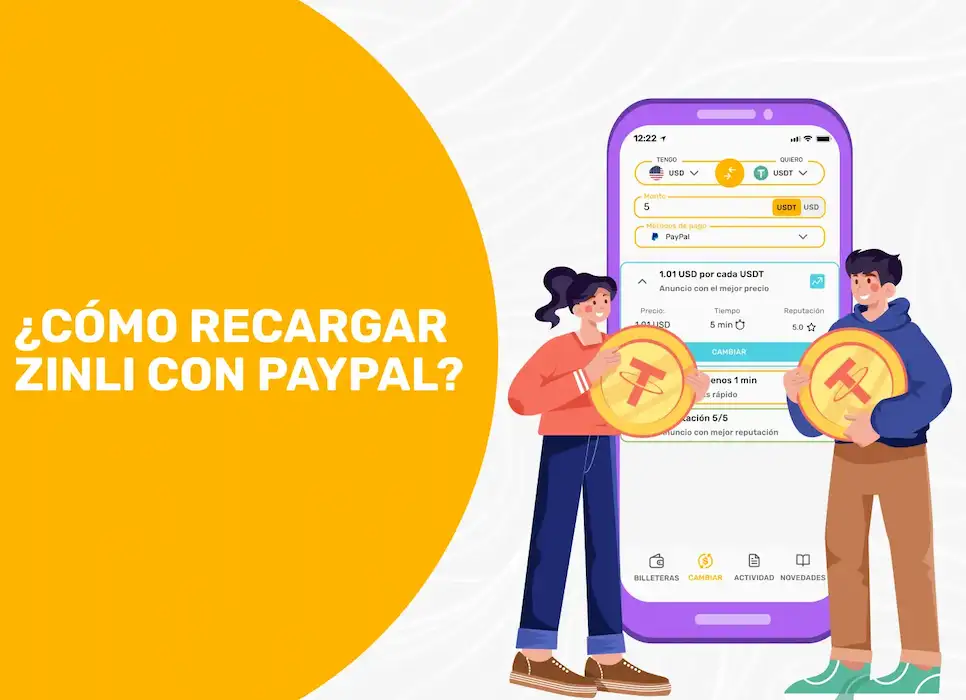
- You can add balance through platforms such as Zinli, Wally, Mobile Pay, PayPal, Zelle, and more.
- You can publish ads and obtain P2P (Peer To Peer) interactions, you have the possibility to carry out transactions with other users whether they are buying or selling, all within a secure space to trade.
- El Dorado adopts rigorous parameters to provide you with financial security, working with KYC (Know Your Customer) verification, with a simple process and providing the platform with the necessary information, you can enjoy a reliable space.
- The interface is intuitive and easy to use, allowing transactions to be carried out in minutes, regardless of the user's level of experience. In addition, there are no fees for internal transfers between users of the app.
- You can receive payments and remittances directly to your account, these transactions can be from other users or from external virtual wallets.
- You can send money to other El Dorado users or to an external wallet without major problems and in record time.
- You can post your own ads to buy or sell Tether and make money with the price spread between transactions. It's ideal for those looking to take advantage of market fluctuations or provide exchange services in their communities.
- In case of irregularities, or inconveniences, you have the option of appealing for transactions, this option is available when placing a buy or sell order.
- You have an open communication channel and a lot of material about the app's contributions to the blog of the website.
The Dorado Wallet is an efficient, secure and versatile solution for managing digital money in the region.